
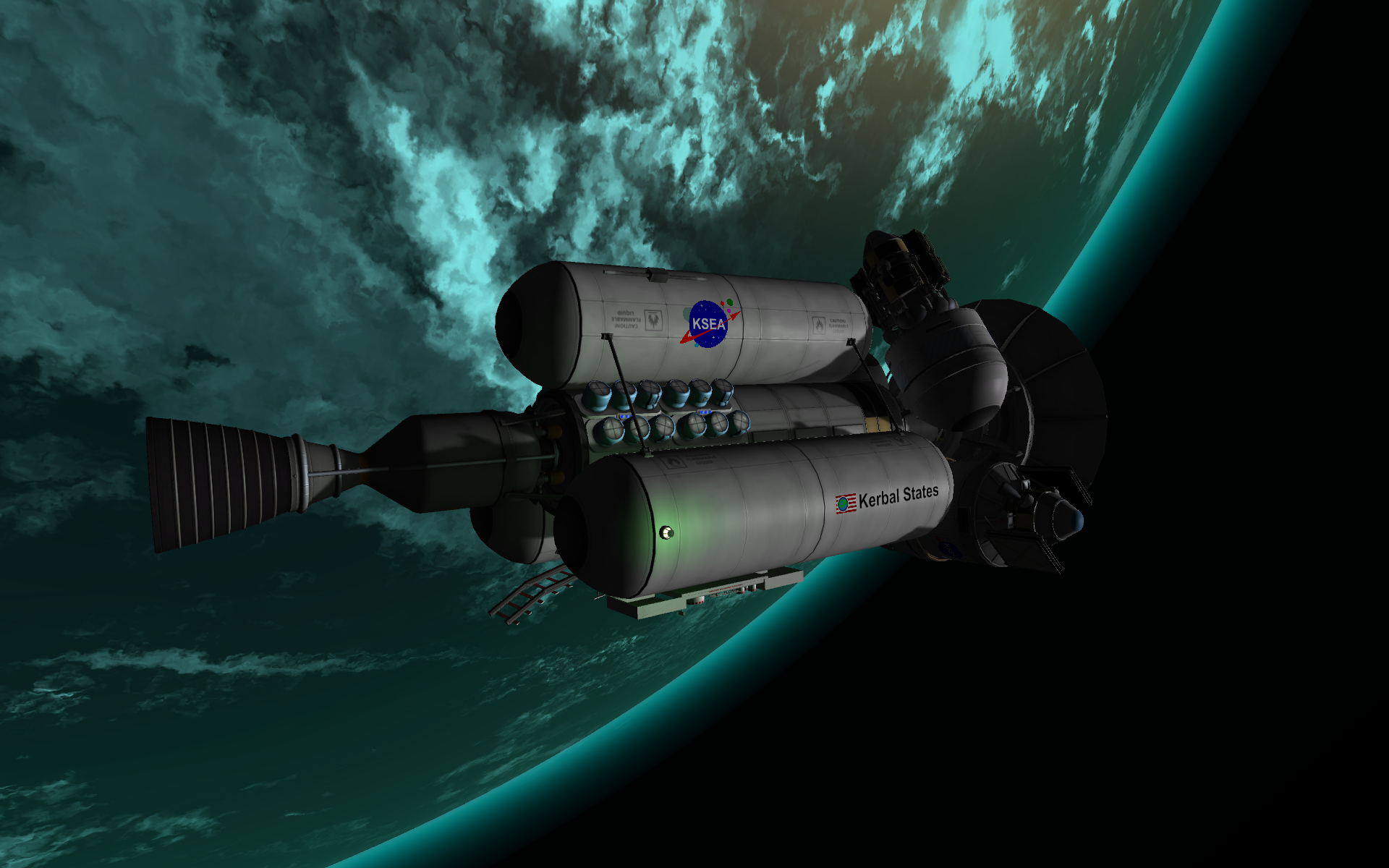
Explorer 6 enters the Jool system! In just 54 days the craft will arrive at Laythe!
Explorer 6 enters the Jool system! In just 54 days the craft will arrive at Laythe!
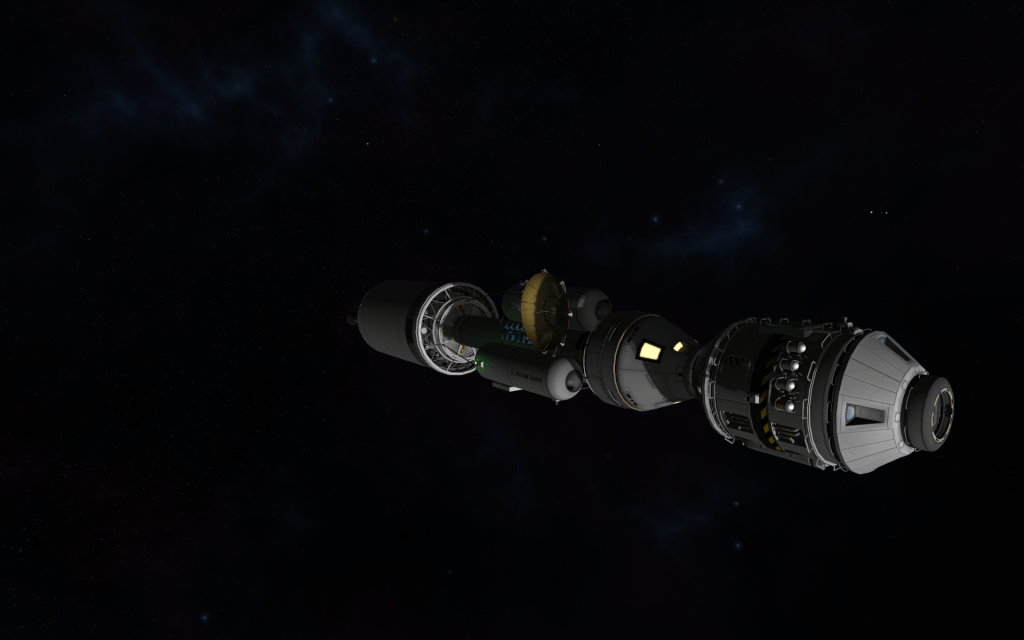
In just 60 days, Explorer 6 will enter the Joolian system! Computers on the spacecraft start waking up – transmitting data on the crew: healthy, lifesigns extremely faint from cryostasis but at expected levels. Radiation levels from Jool are high, as expected. Communication systems appear sufficient, barely, for communicating with Kerbin.
Explorer 6 was launched before Discovery had even been built, to test KSEA’s deep space capabilities. Ultimately, Explorer 6 will orbit Laythe, a world that on the surface looks very much like Kerbin! Eventually KSEA wants to land Kerbals on the planet – and to do that a permanent deep space station, like Duna Spaceport, will be required! Laythe Spaceport will hopefully be a destination for Discovery, and other Deep Space Vessels!
When the mission is complete KSEA will have learned a lot about deep space exploration – vital information for the space program to continue going further and further!

Pathfinder 1 launches it’s last probe!

The probe fires it’s retro rockets and starts to decend!

Hopefully the heat shield is sufficient to protect the fragile electronics and other components!

The probe survives the atmospheric heating and deploys it’s parachutes!
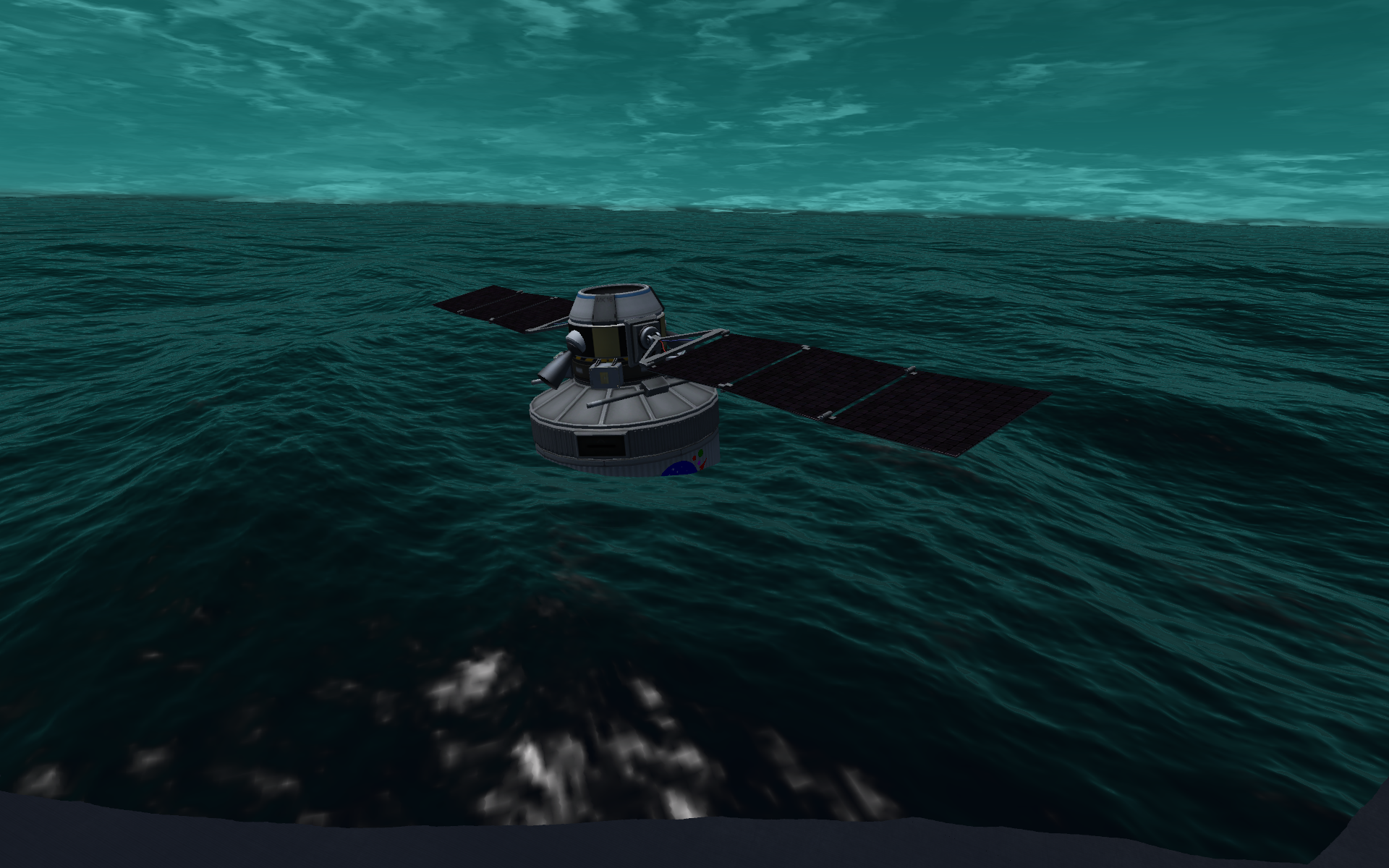
The solar panels deploy, and the probe transmits as much data as it can before the power runs out! Sadly, the probe is only able to partially transmit it’s gravity data!
“Some data is better than none! We’ll equip the next probe with more robust power systems! ”
-Robart, at Mission Control, Kerbin
Several important facts have been learned, such as power demands on Outer Planet missions and the importance of integrating the planetary scan with the mothership!
There were some concerns after the failure of Pathfinder 4 and Pathfinder 5 that the entire Pathfinder program might need to be scrapped, however this success guarantees a bright future for the Pathfinder Program!
As the probe transmits it’s last bit of data, it’s systems power down and the connection is lost. This concludes the Pathfinder 1 mission, which despite a few bumps is considered a success by KSEA!

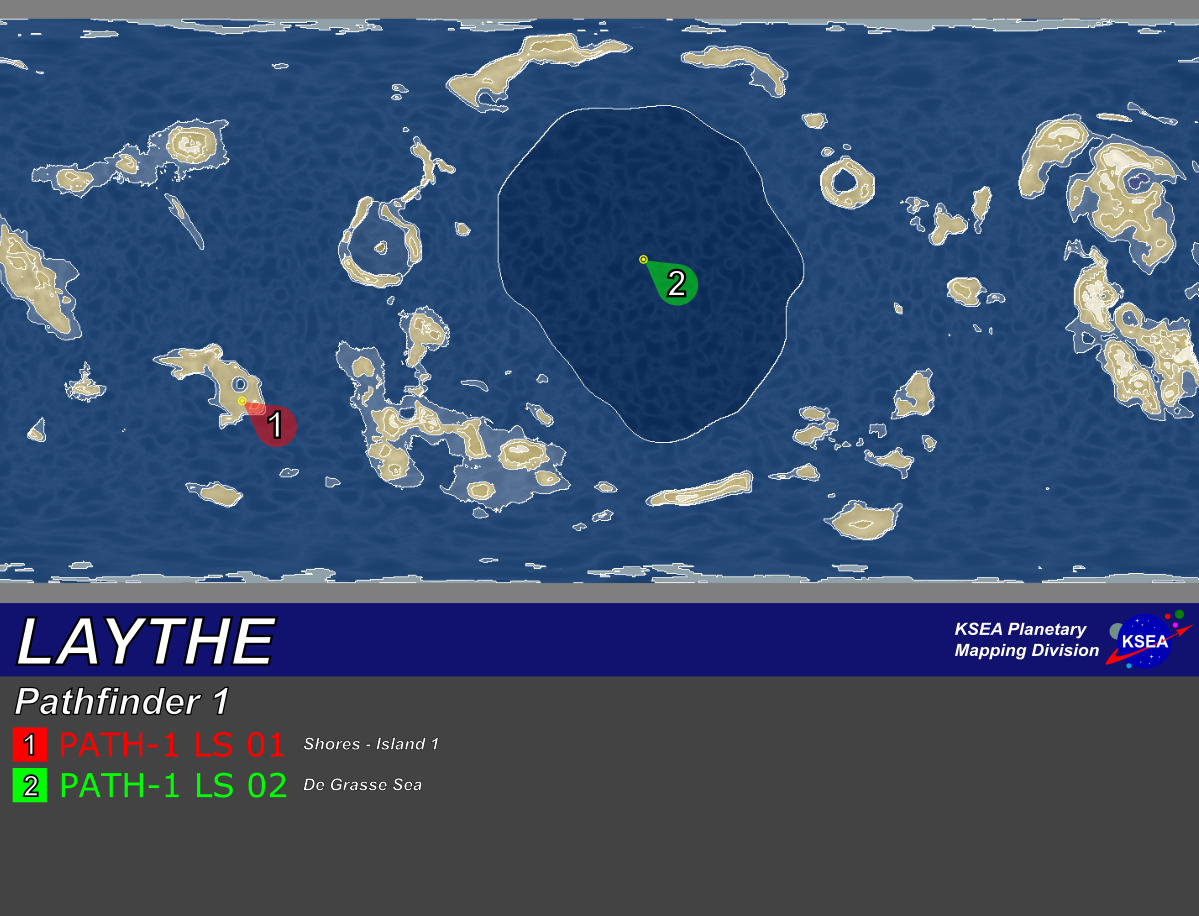
The second (and sadly, last!) landing site for the Pathfinder 1 probe has been selected – right in the middle of what is being called the “De Grasse Sea.”
This should be a good (and hopefully hard to miss) location for the second probe, which was designed for water landings (it even floats!)
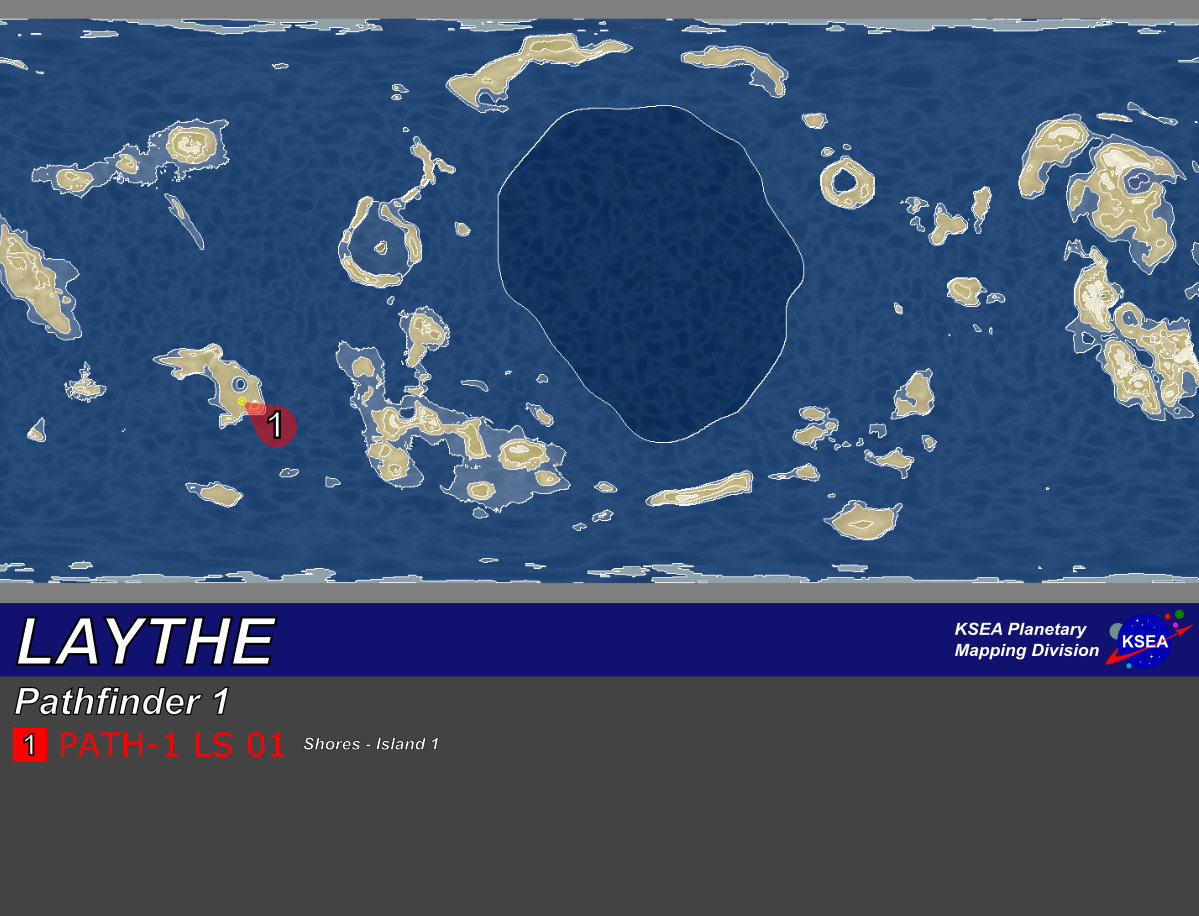
The first landing site on Laythe has been chosen! An island that KSEA is calling “Island 1” has been chosen as the first landing site as topography suggests it is the largest and flattest surface. The mostly liquid surface of Laythe may make landing… tricky.
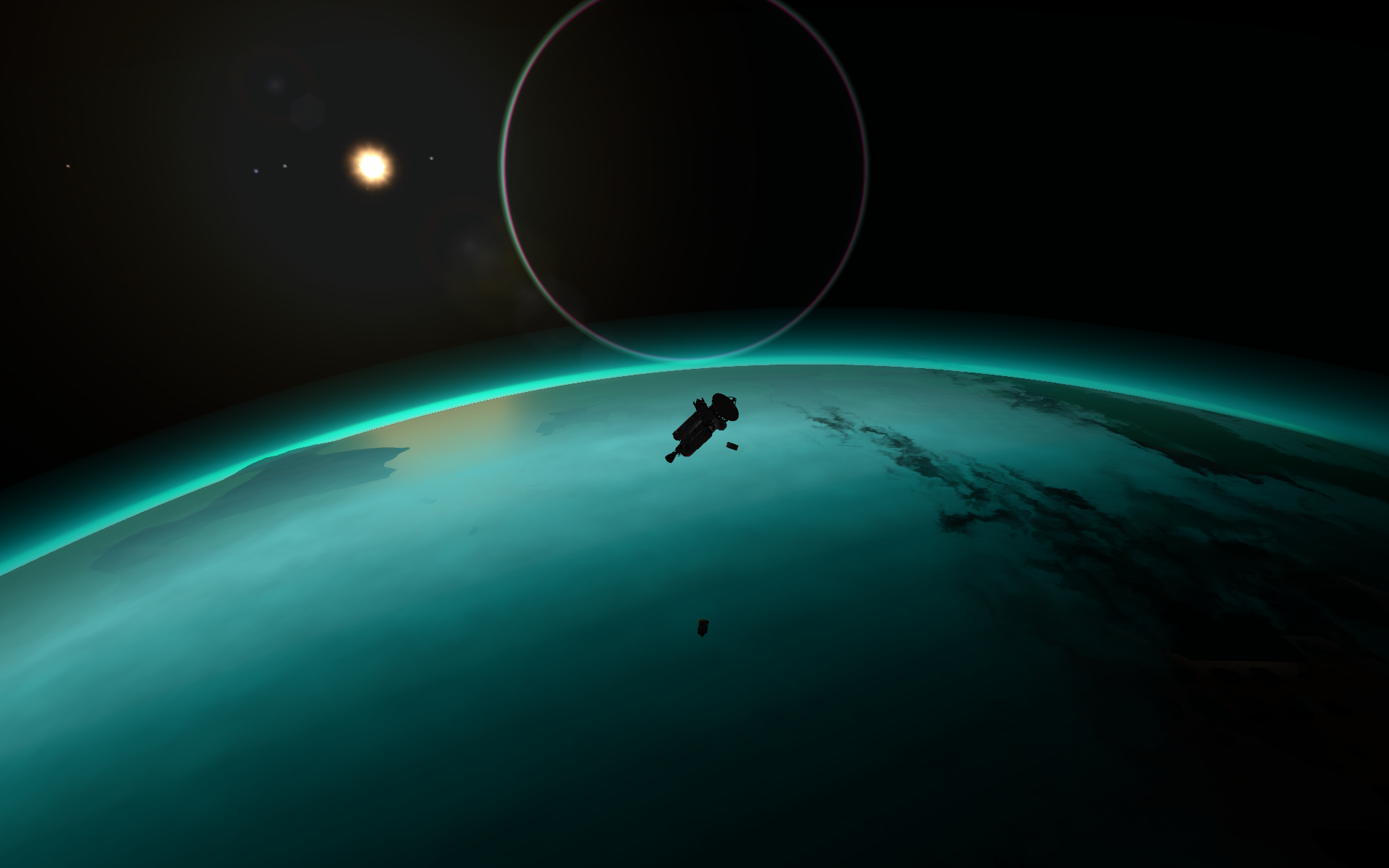
Simulations show that the best orbit for releasing the landing probes is 200k, so Pathfinder 1 adjusts it’s orbit accordingly – and the probe is away!
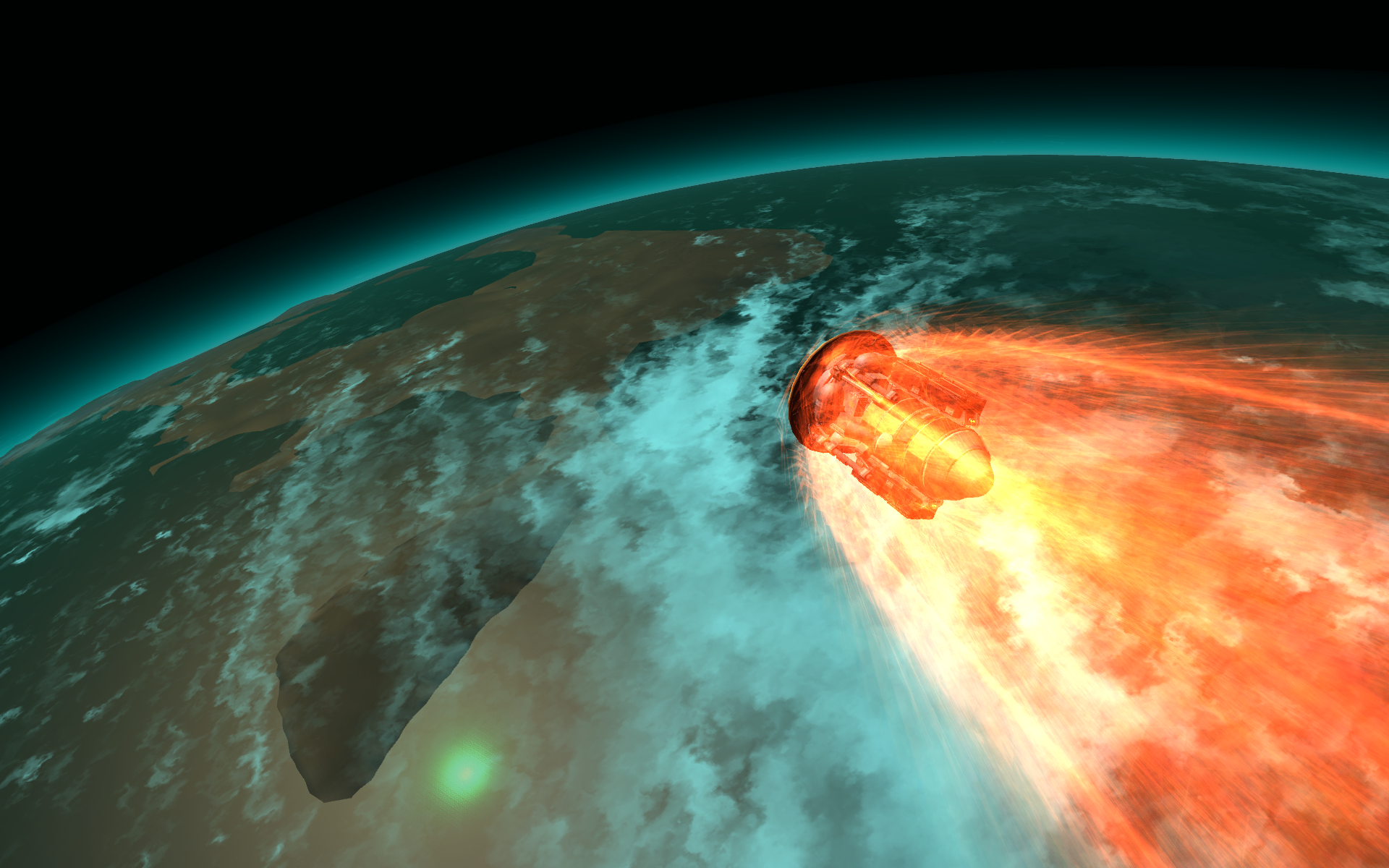
The probe fires its orbital manuevering rockets and before long begins to rocket to the surface! 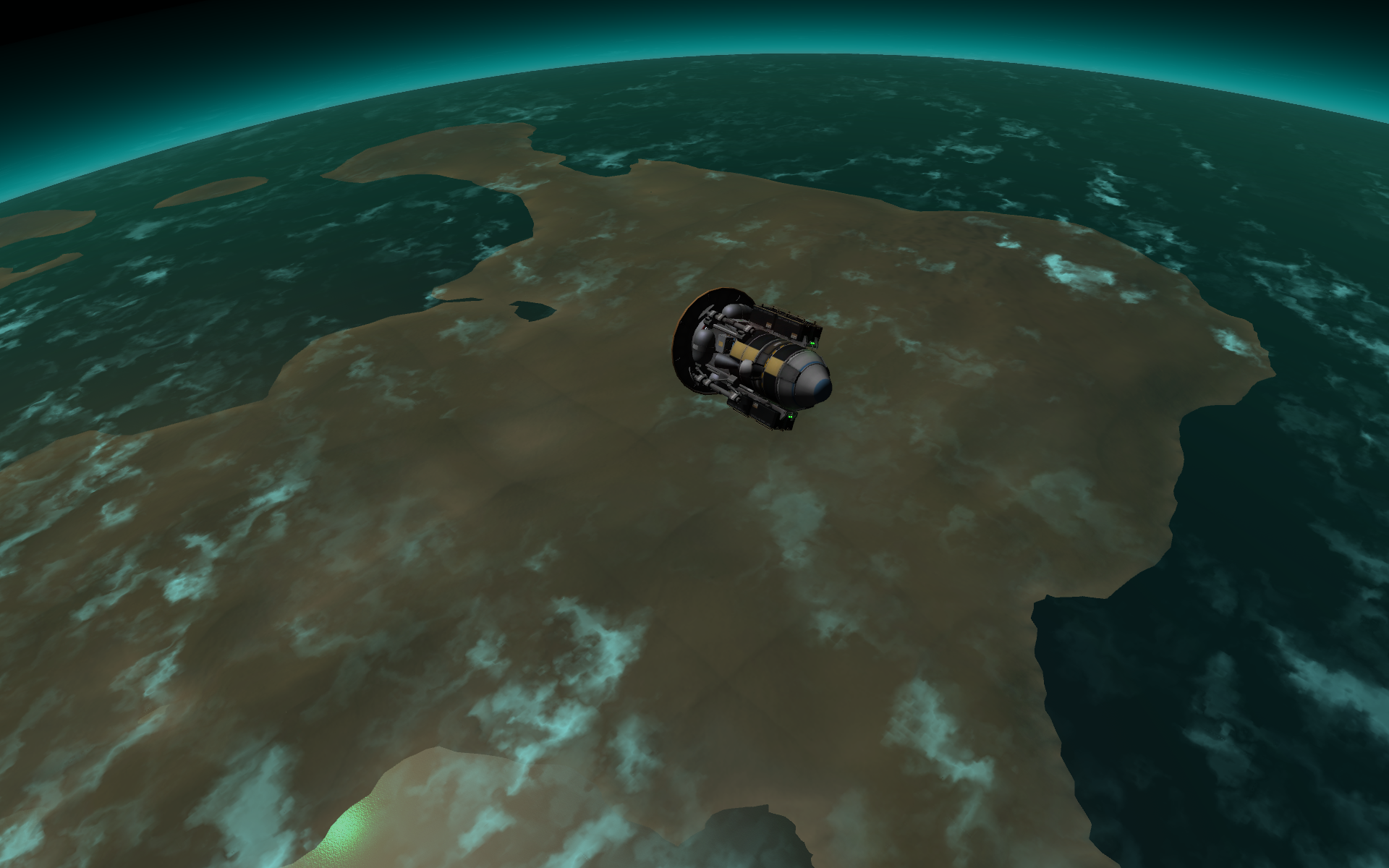
“Calculations look like they were near perfect! It’s going to set down right where we thought, on the shores of Island One – the one that looks a bit like a bunny!”
-Gene
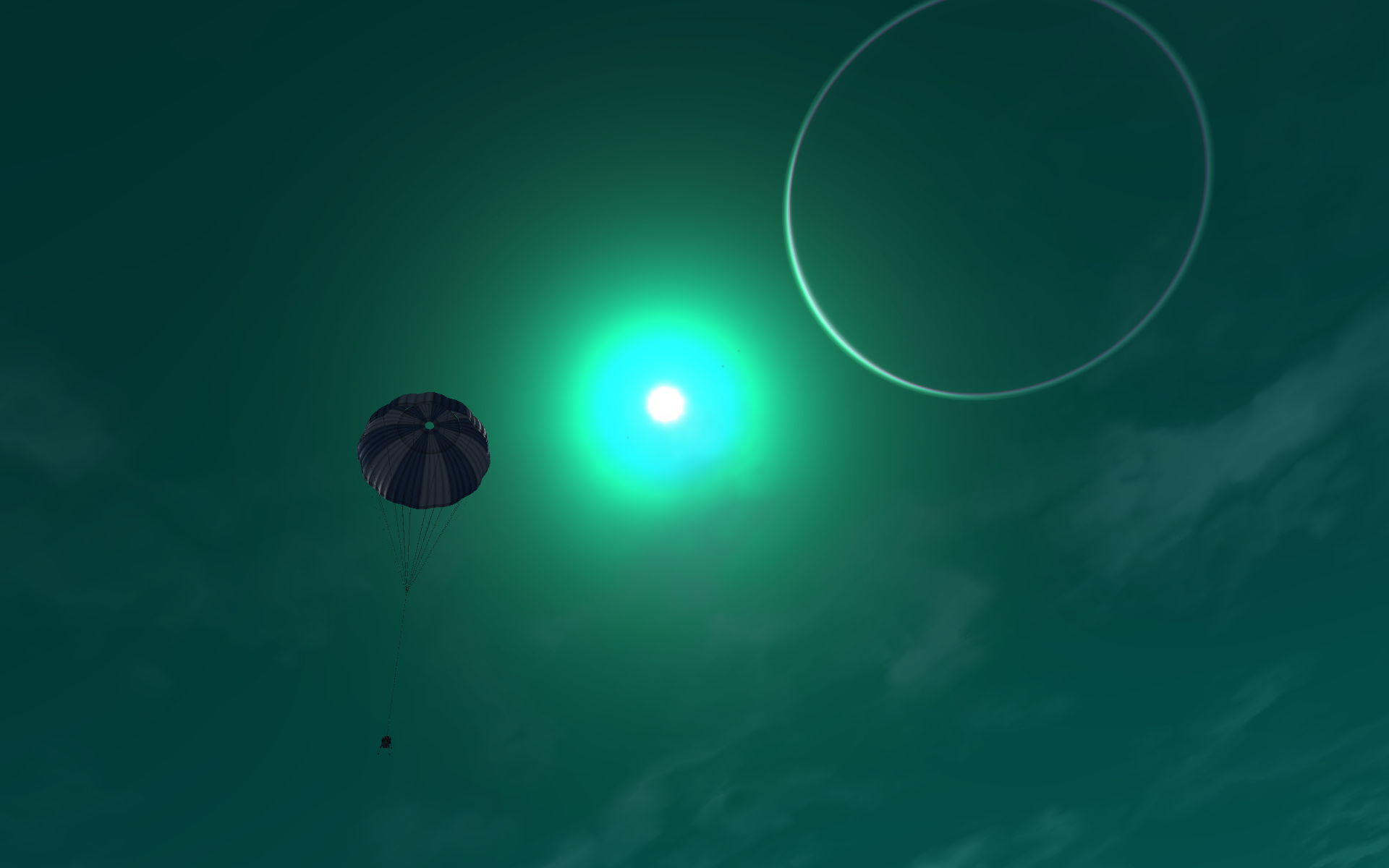
The probe’s parachute deploys, and it slowly drifts to the surface!
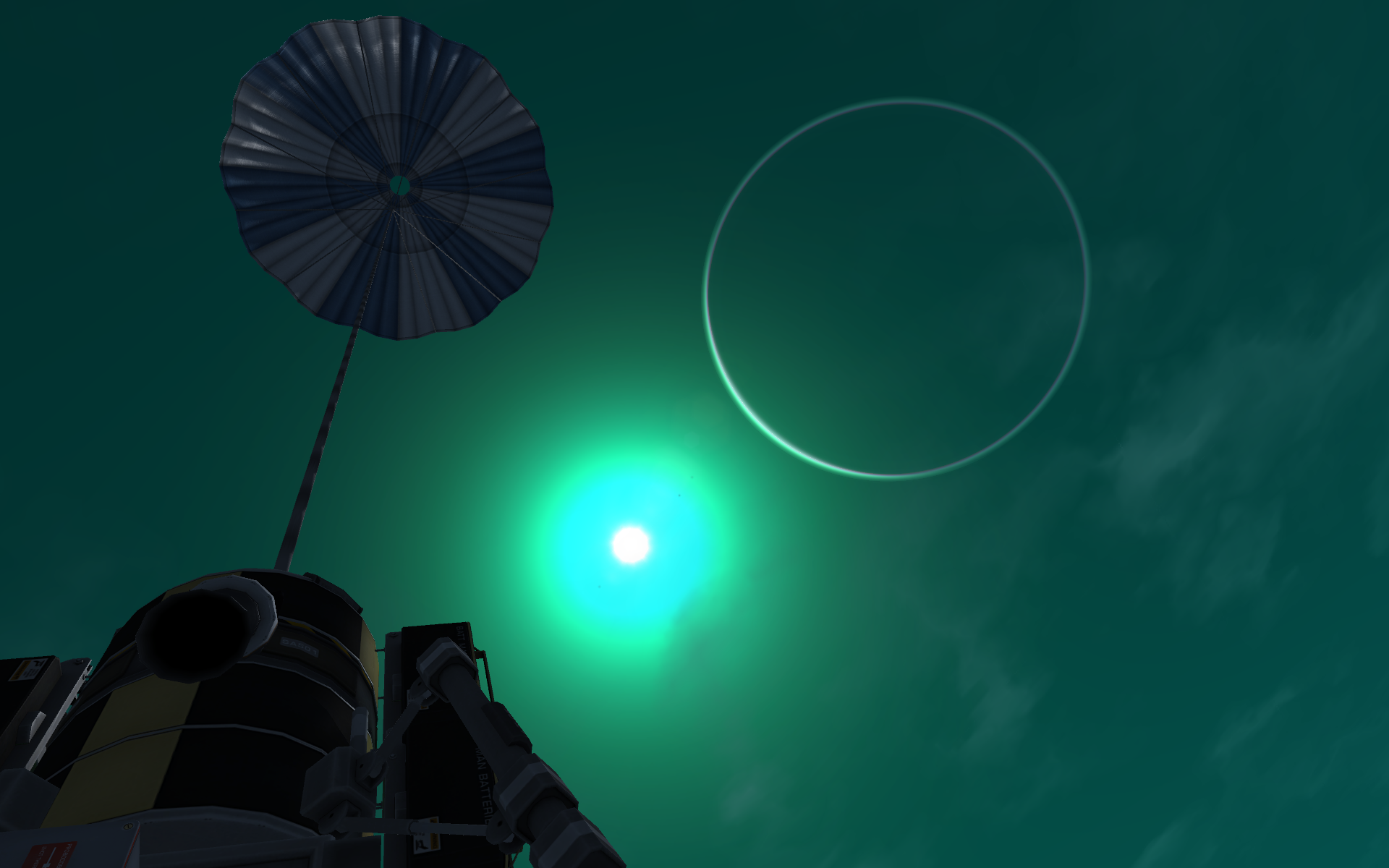
Onboard cameras transmit stunning video back to Kerbin!
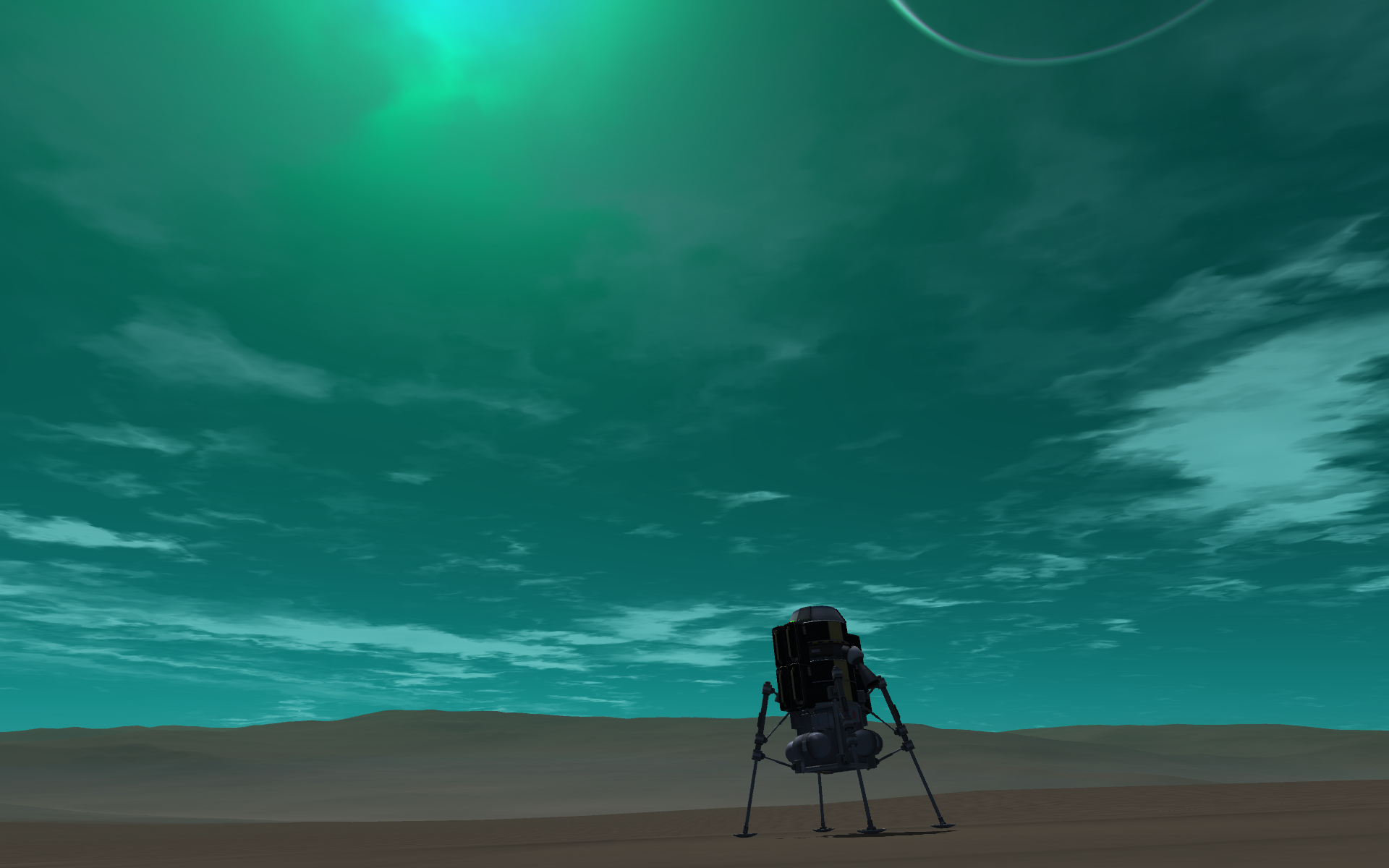
Pathfinder 1’s first probe is a complete success! Once on the surface the suite of sensors record and transmit vital information about Laythe back to Kerbin!
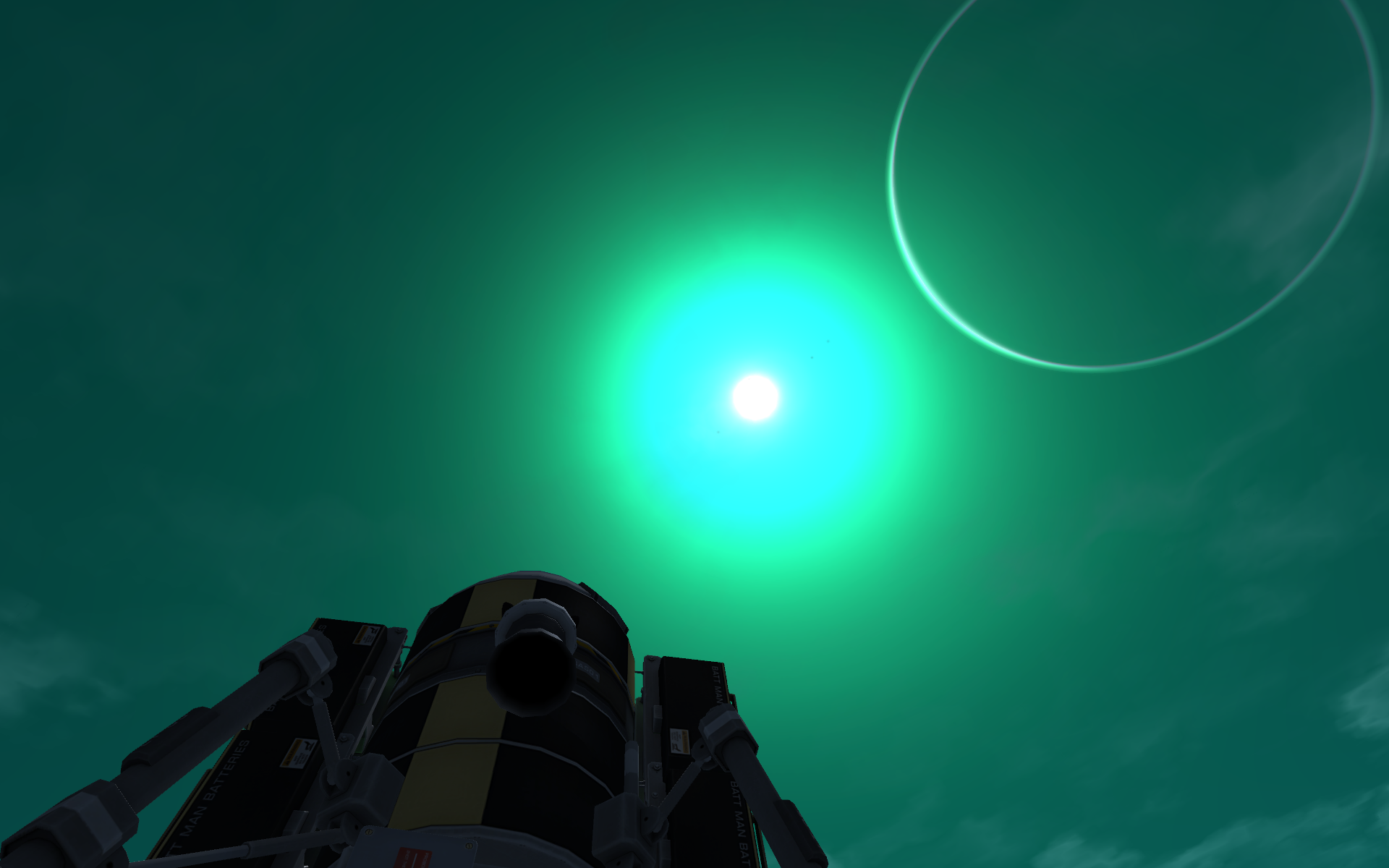
“Remarkable! I can’t wait to look at this data we’re getting back!”
-Robart, at Mission Control
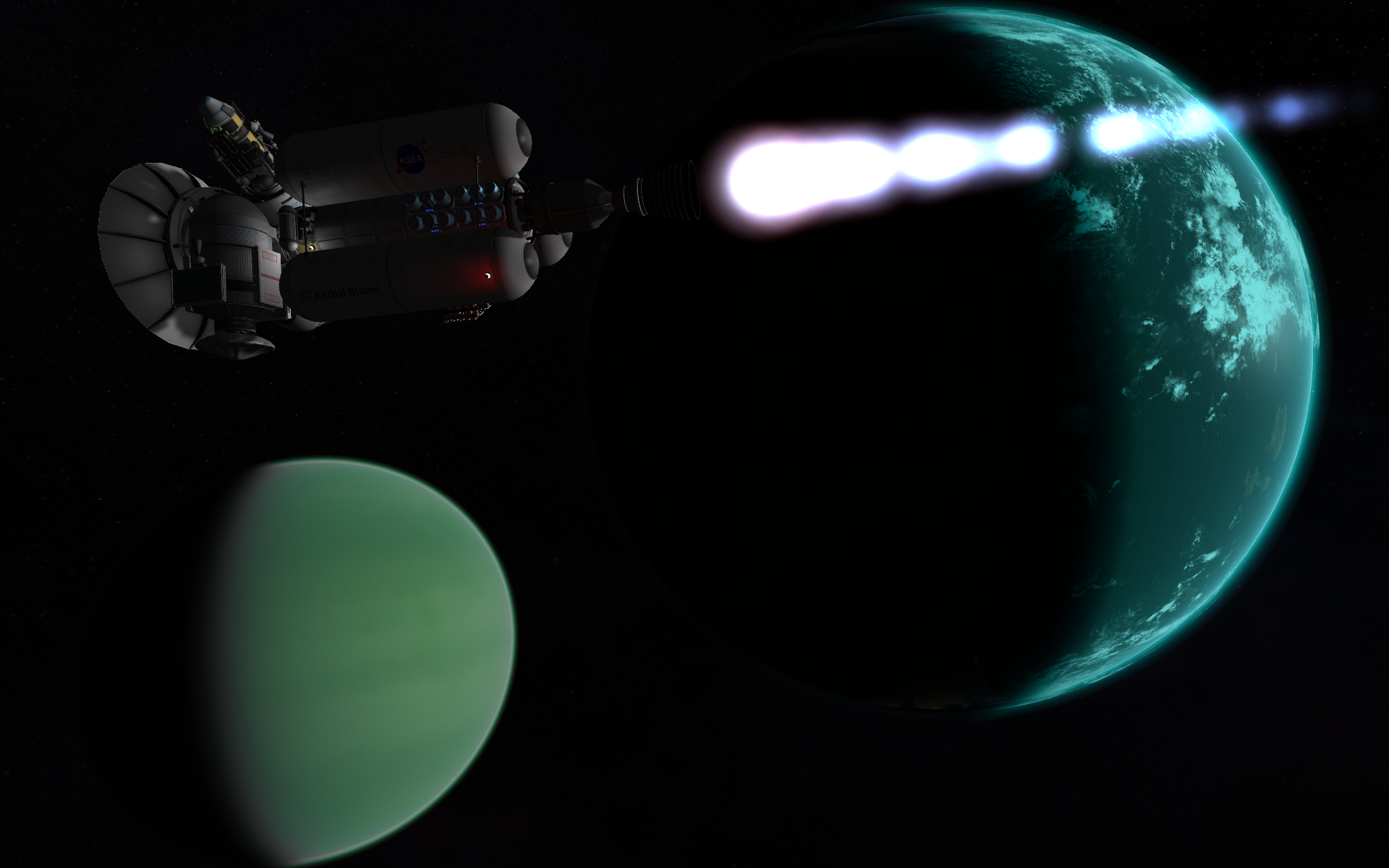 Pathfinder 1 manuevers to enter a polar orbit of Laythe at an altitude of 242k. This will be an ideal orbit to release the orbital scanner probe!
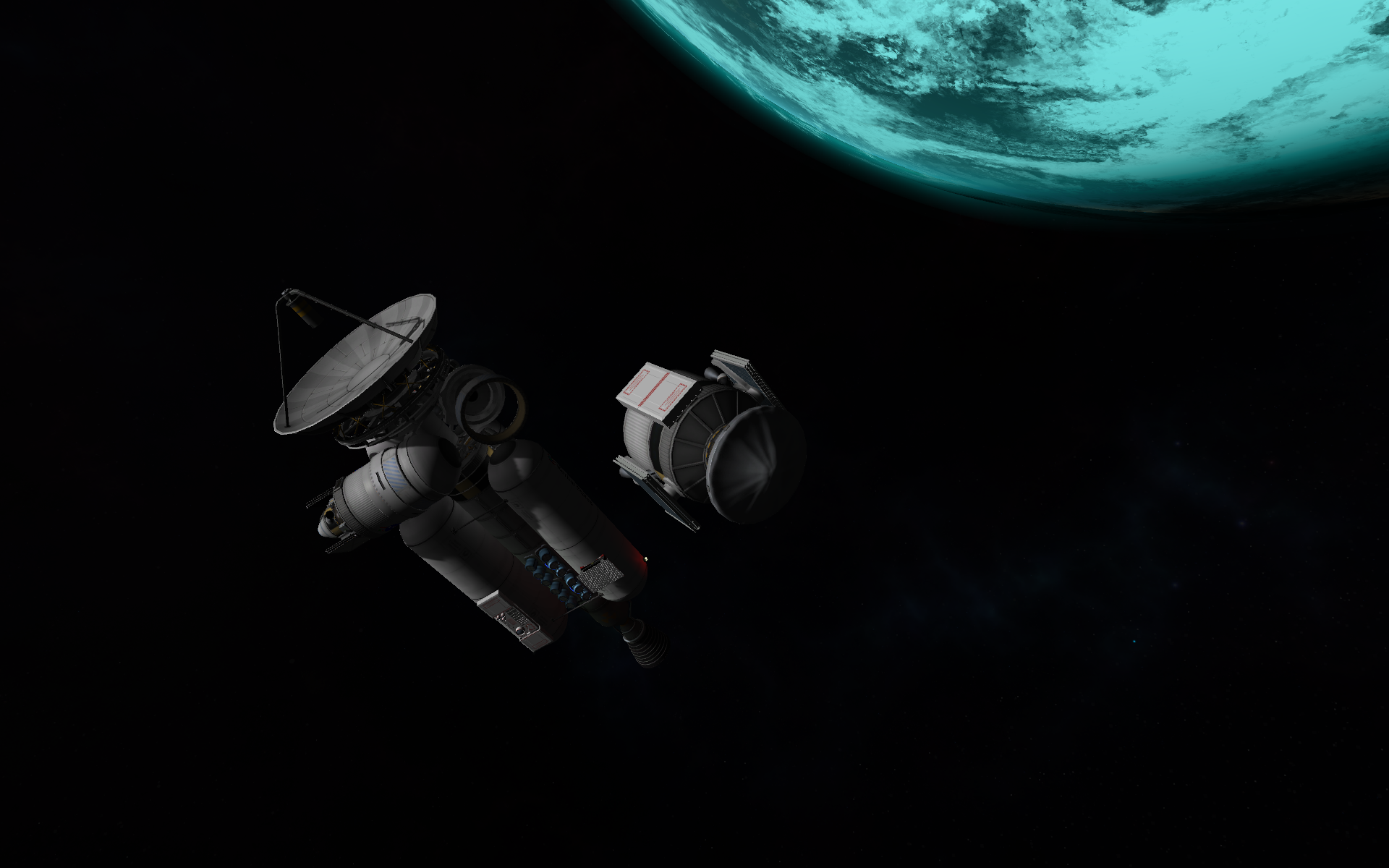
The orbital scanner ejects from the Tri-Probe mount…
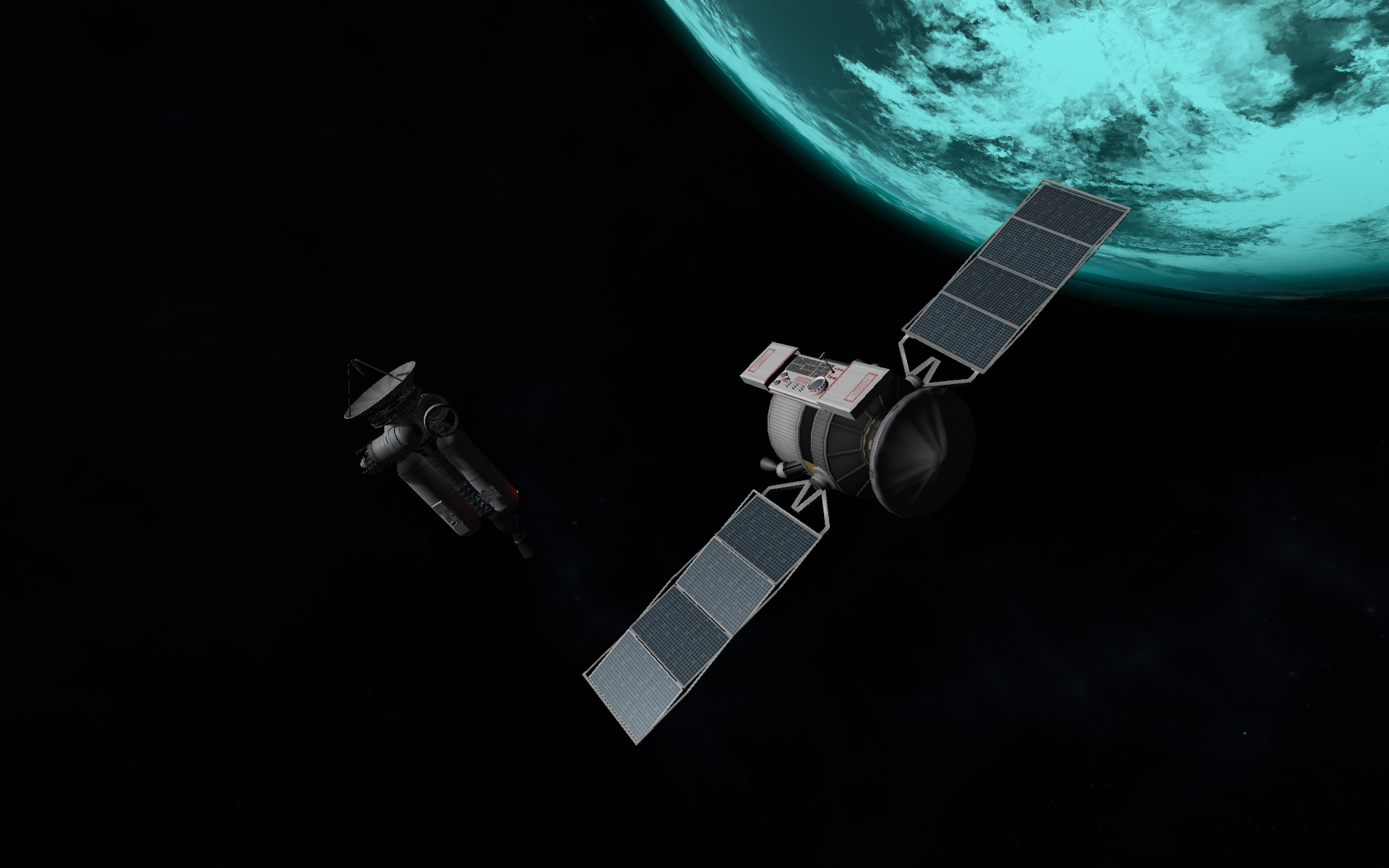
… extends it’s solar array and begins mapping the surface!
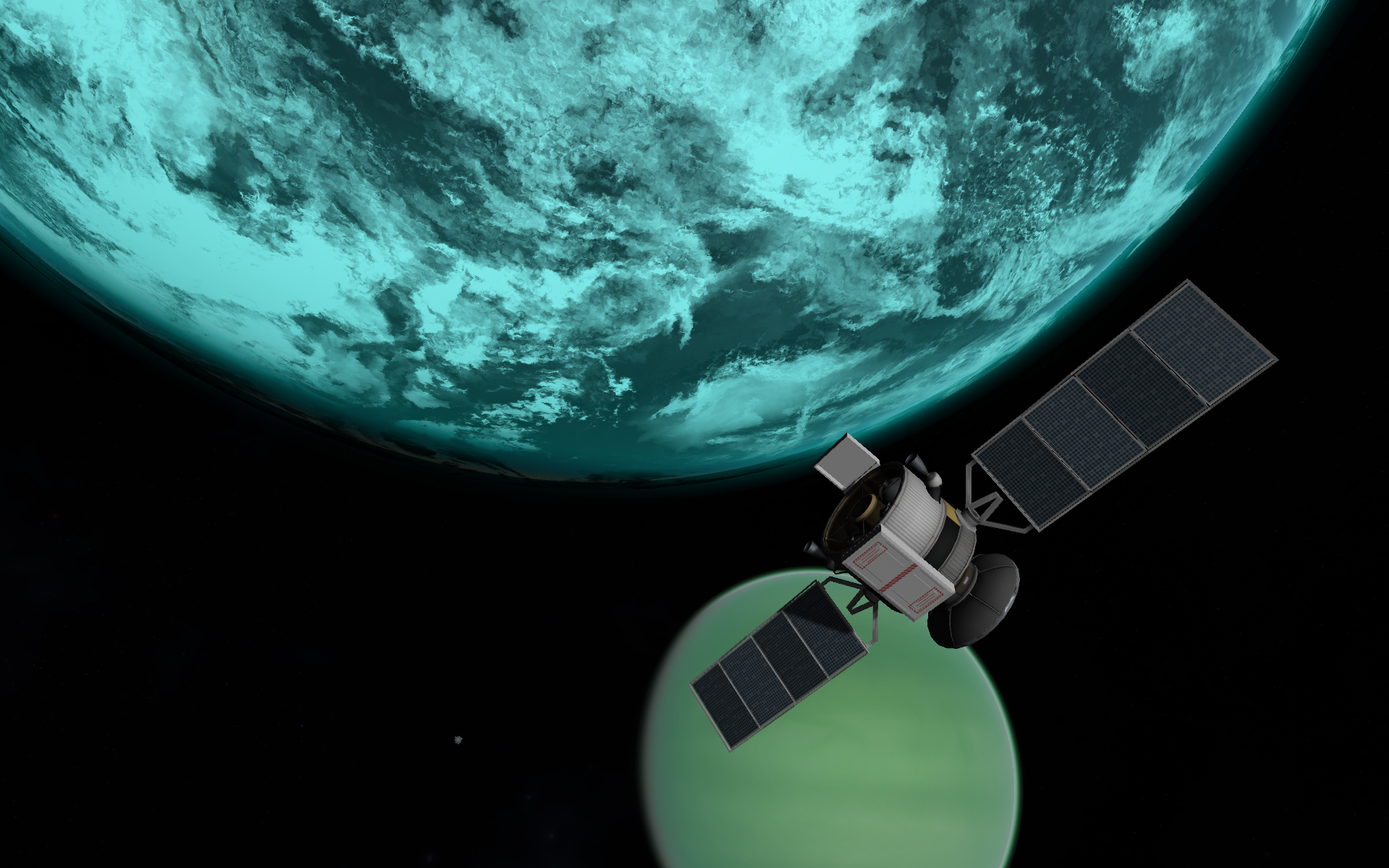
Once a sufficient scan is complete, KSEA will determine the ideal landing coordinates for the two probes onboard Pathfinder 1!
In the meantime, Pathfinder 1 is instructed to reduce its orbit to 60k… an orbit KSEA engineers and scientists predict will be the best to deploy the surface probes from!
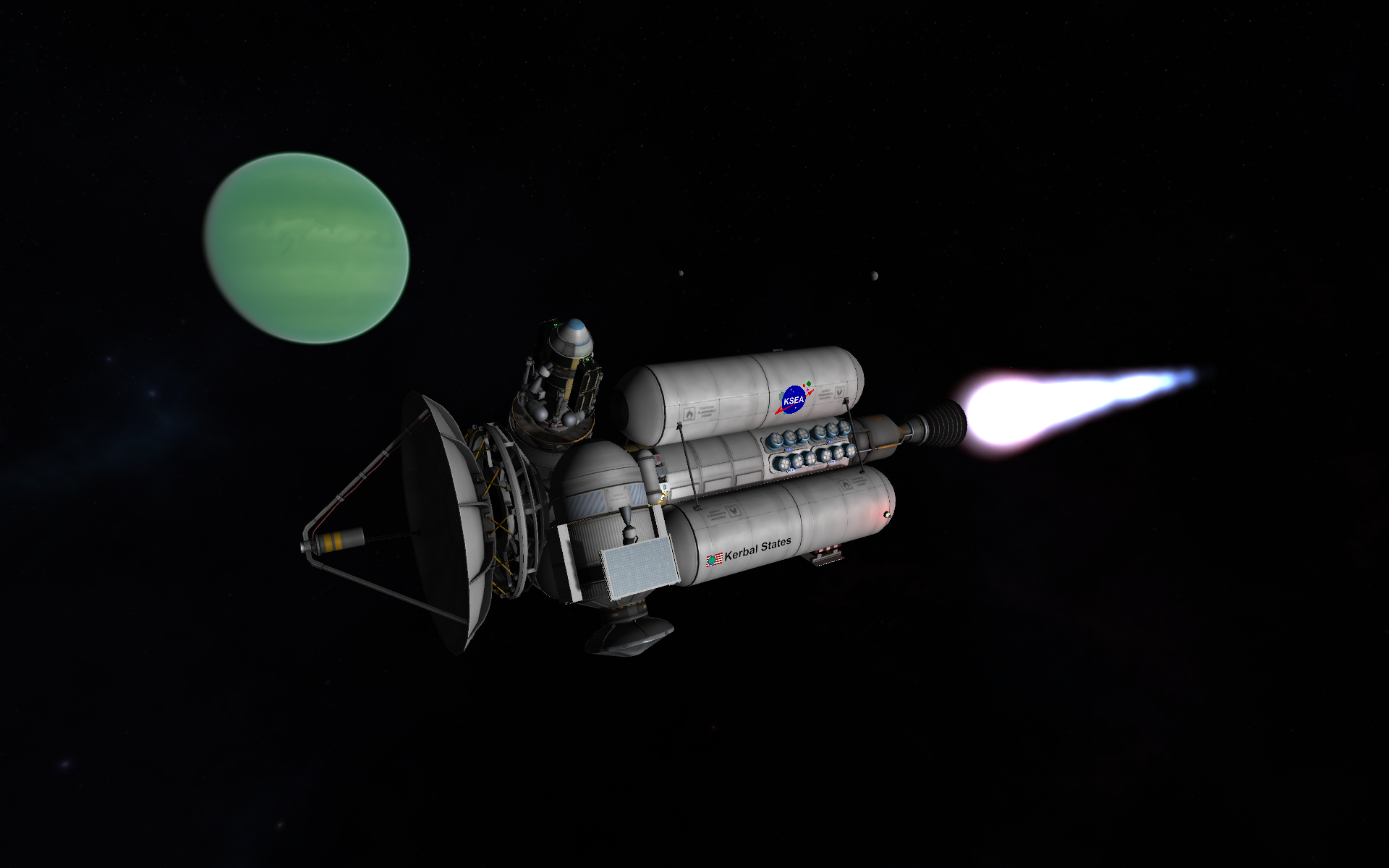
After a long journey, Pathfinder 1 reaches Jool!
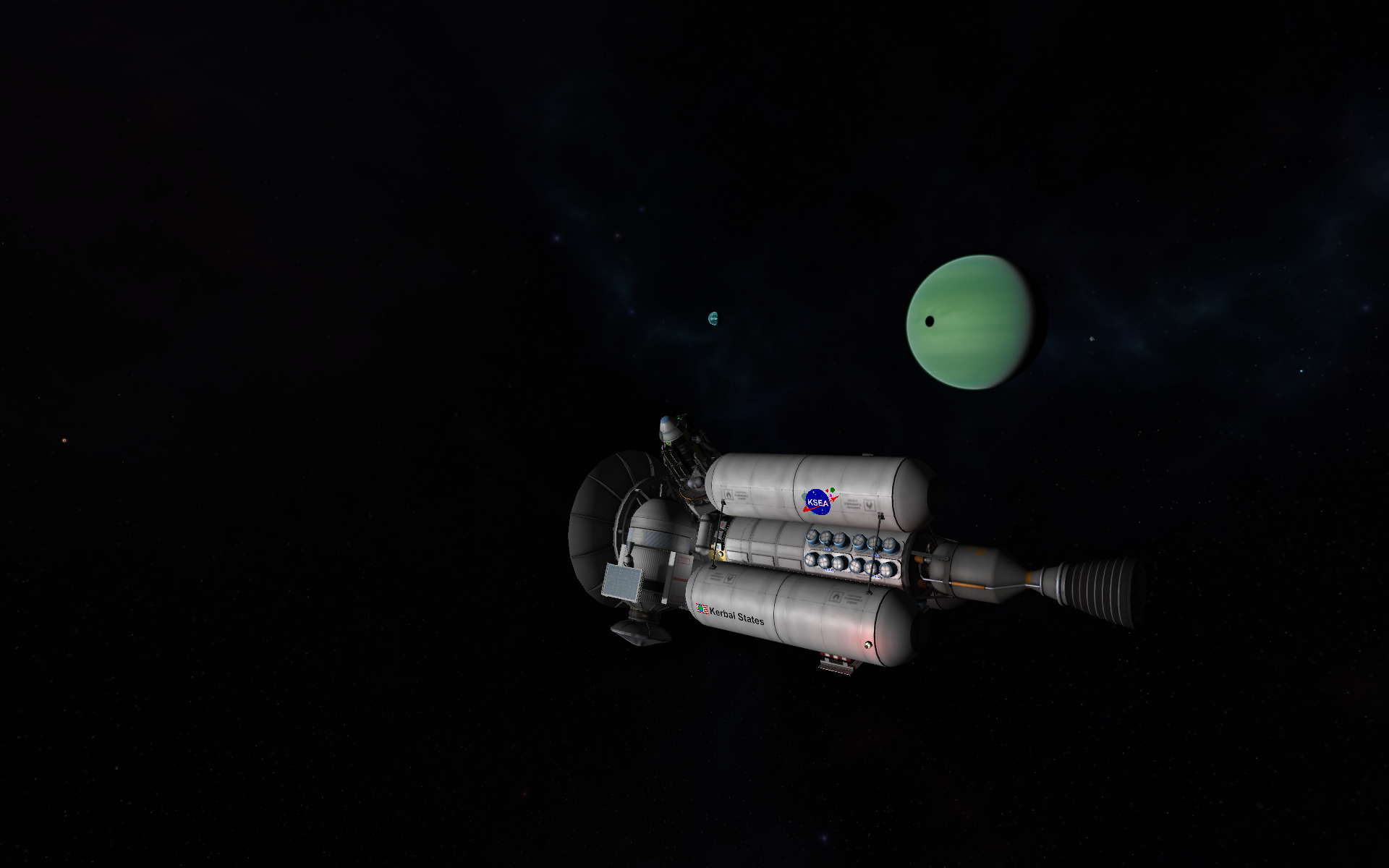
Once in orbit, another small maunever is done to intercept Pathfinder 1’s target: Laythe!
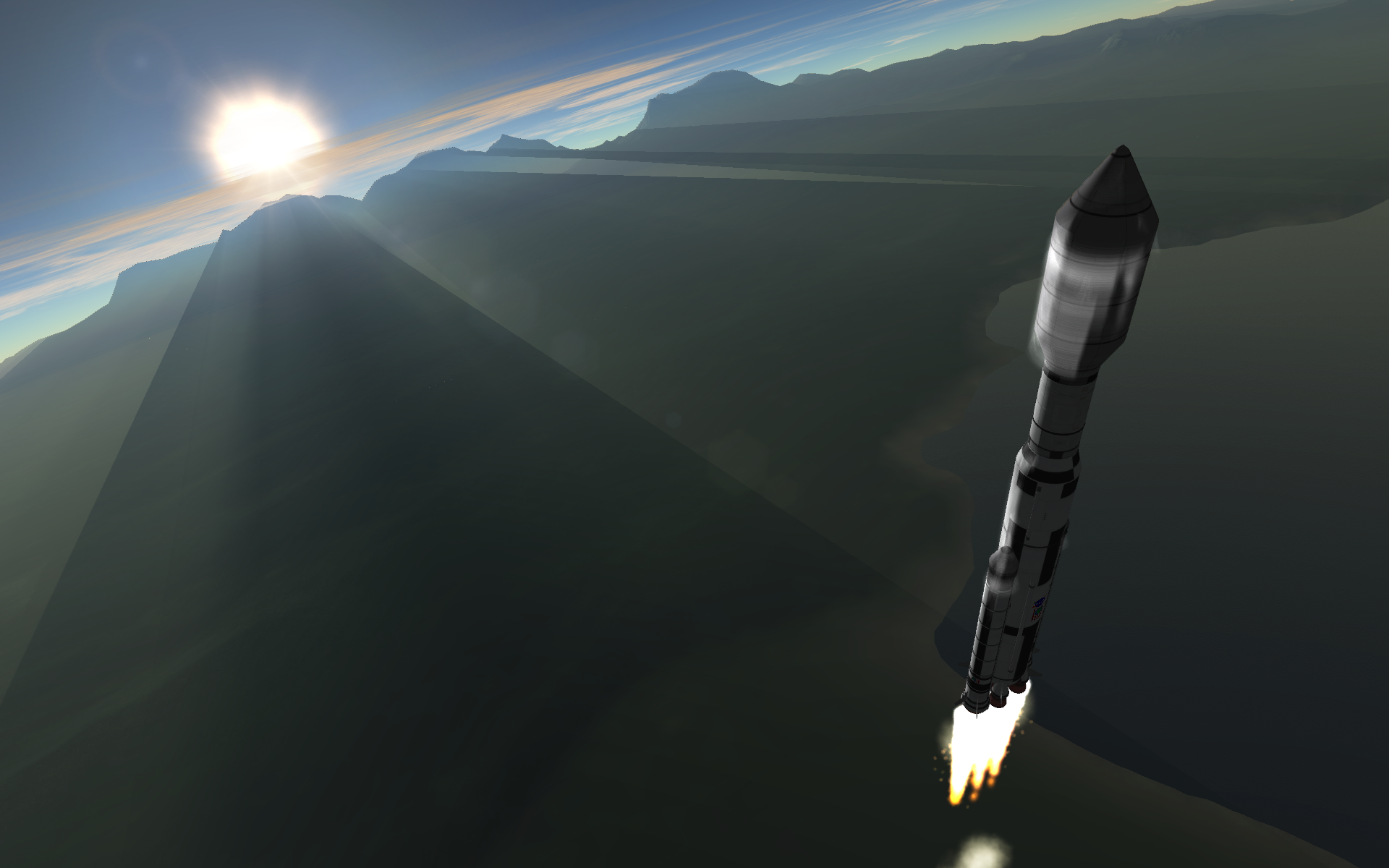
The Pathfinder 1 probe blasts off from the space center!
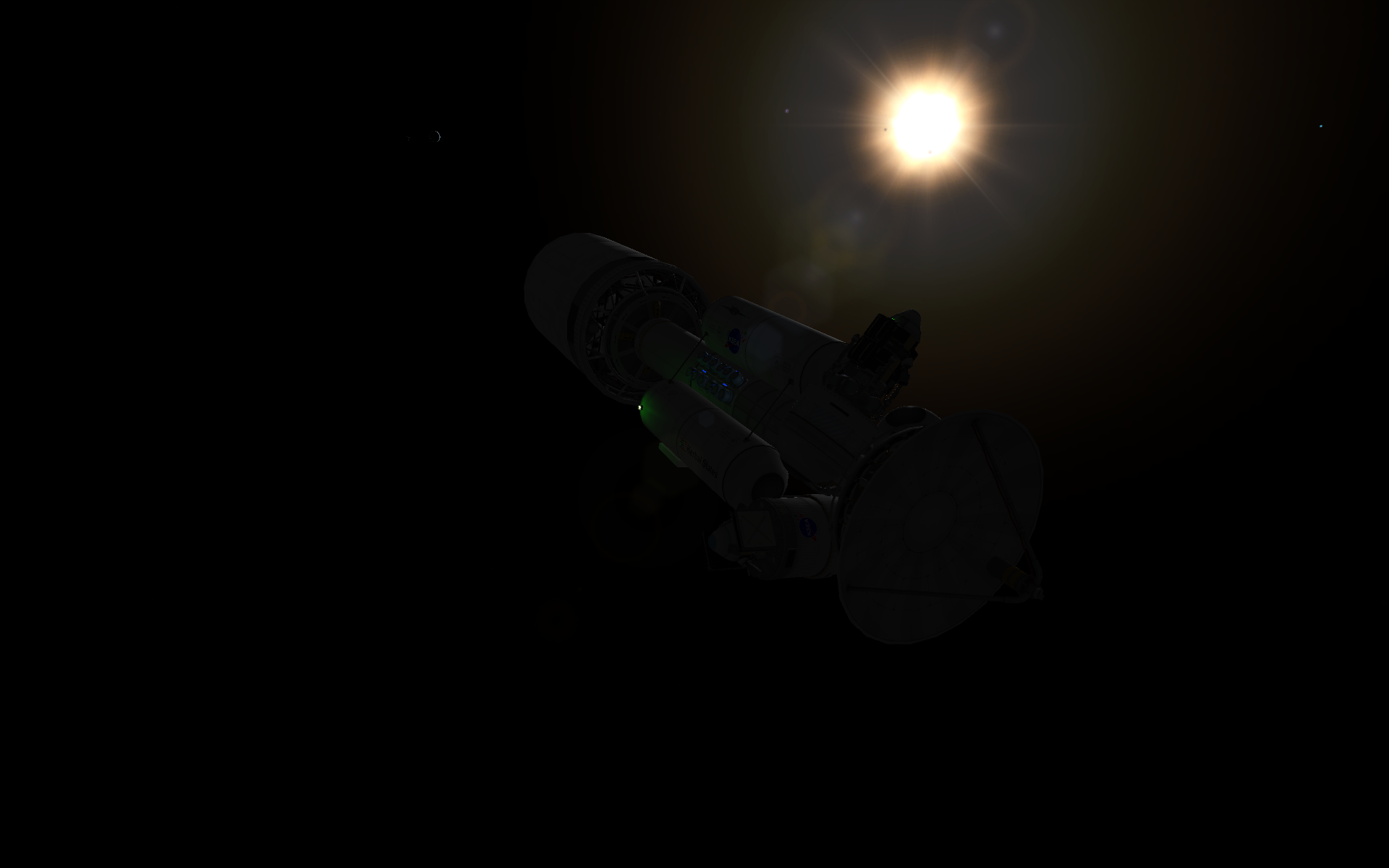
In 200 days it will perform a small maneuver that should allow an intercept with Laythe!
The Pathfinder Mission is announced! After a long development period KSEA is confident that Pathfinder is ready to go!
This revolutionary deep space probe is based of the Kerbol 1 and 2 probes, and will be launched to Laythe, the closest moon of Jool.
First, a scanning probe will be launched to survey the moon for appropriate landing sites. Then, two probes will land, the first designed solely for terrestrial landings, the second a multi-purpose probe that has been designed for both aquatic and terrestrial landing.
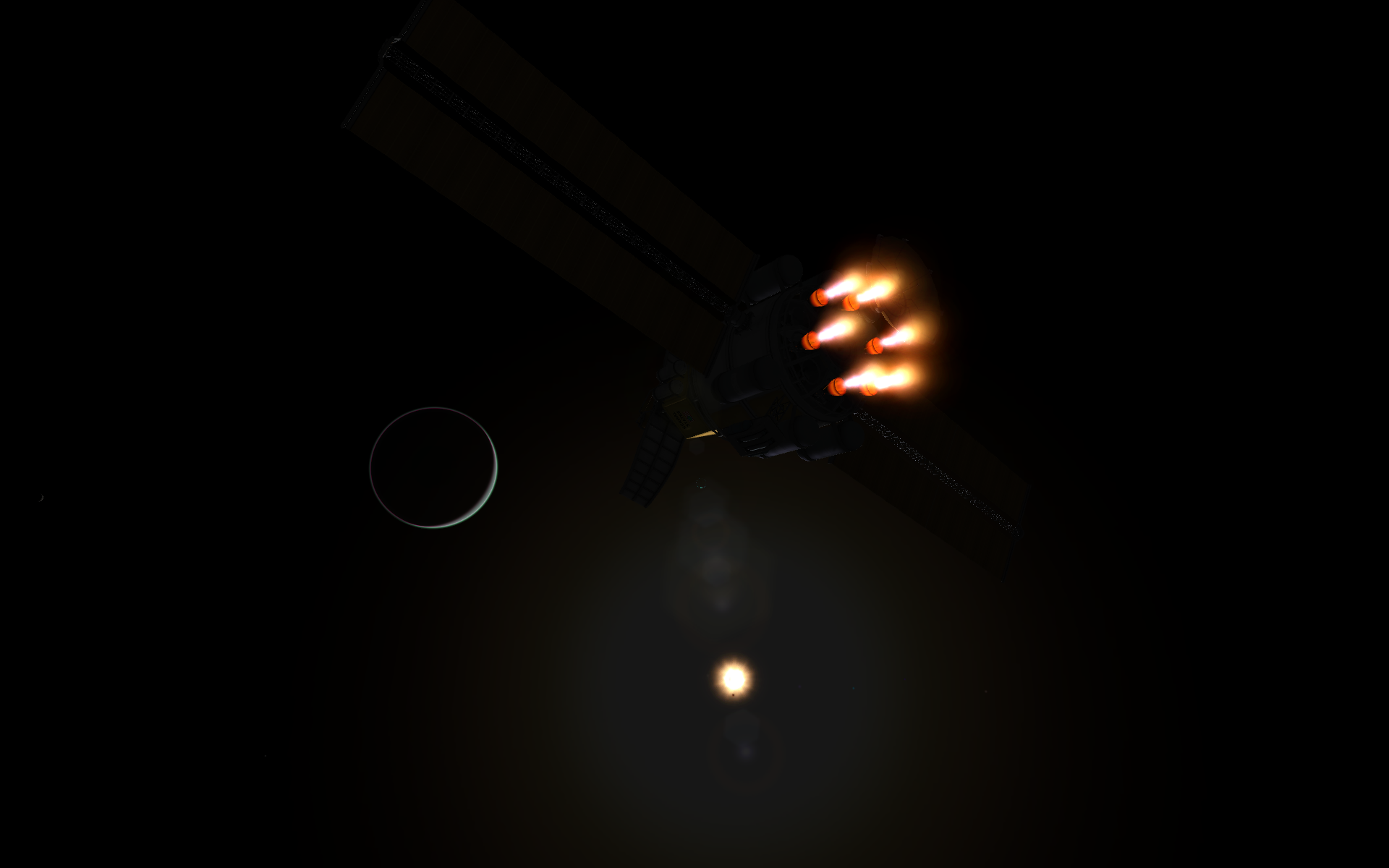
The Frontier 5 craft in orbit of Jool is instructed to maneuver so it encounters Laythe! 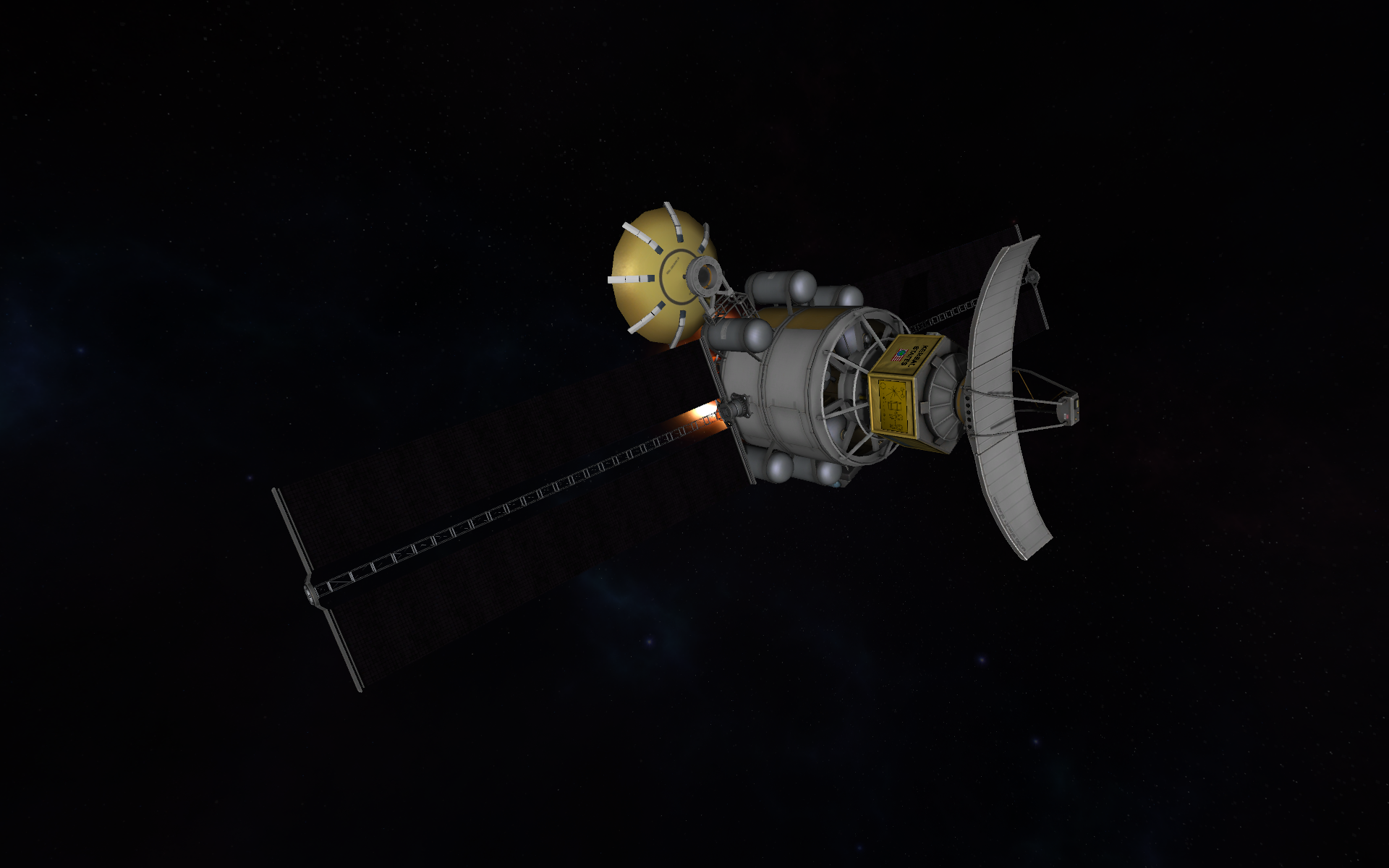
If all goes to plan, the probe will soon do a flyby of Laythe… the maneuver should also allow for the closest ever flyby of Jool. Sadly, the scientific equipment on Frontier 5 is quite primitive compared to the gravitational scanners and other equipment on more recent probes, however an analysis of the atmosphere, temperature, and pressure should all be possible. 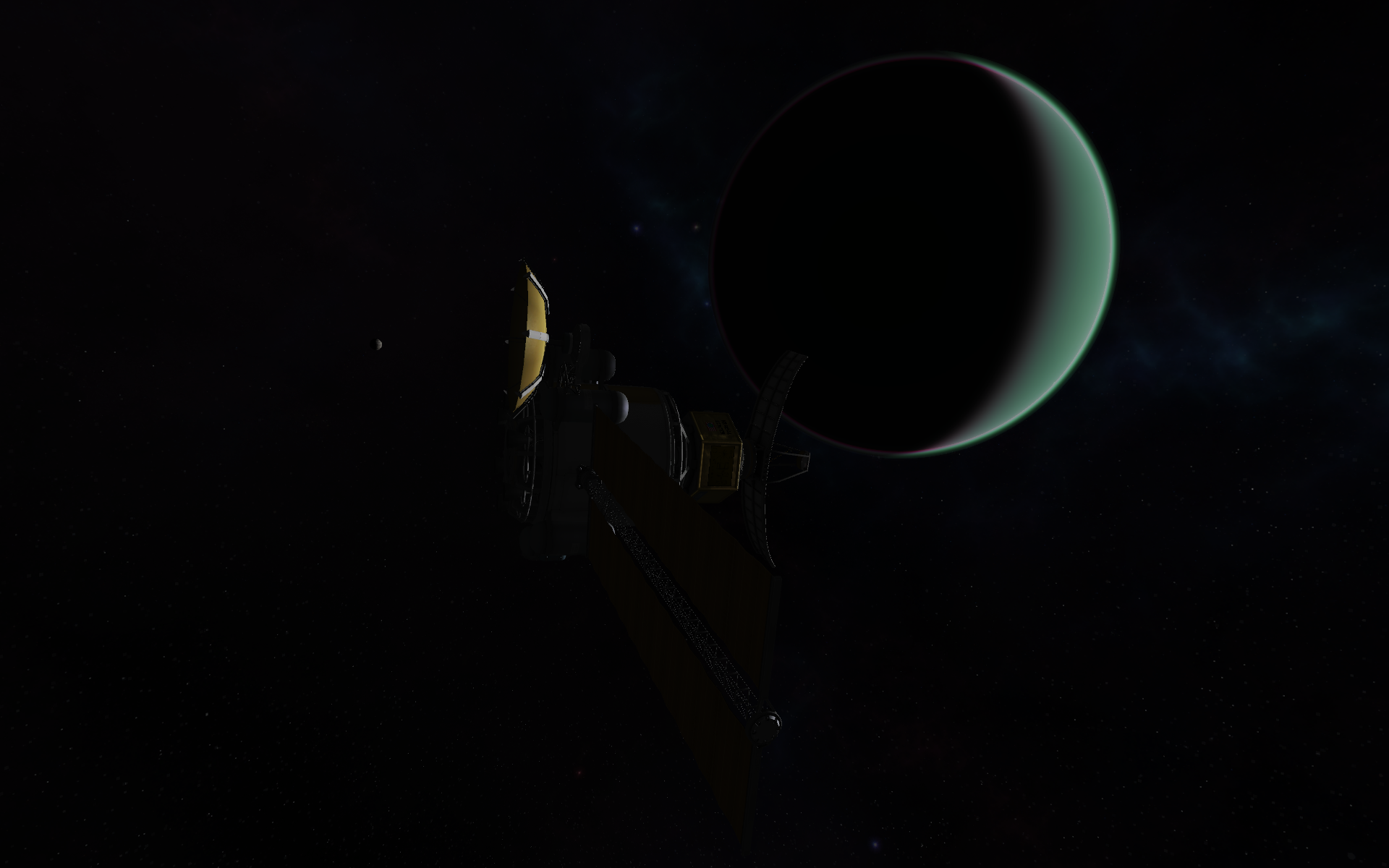
Frontier 5 moves closer…
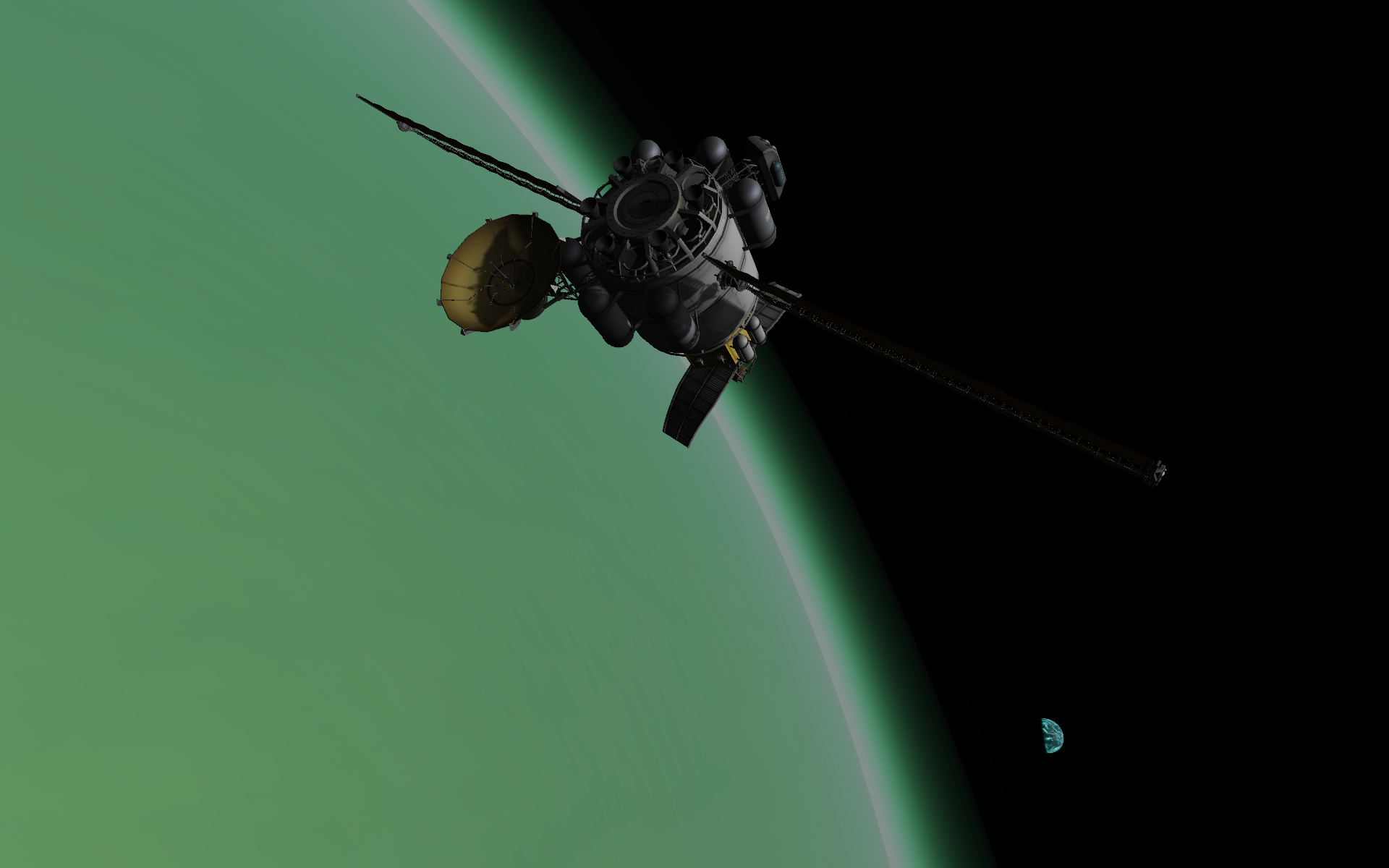
Finally Frontier 5 arrives at its closest point to Jool!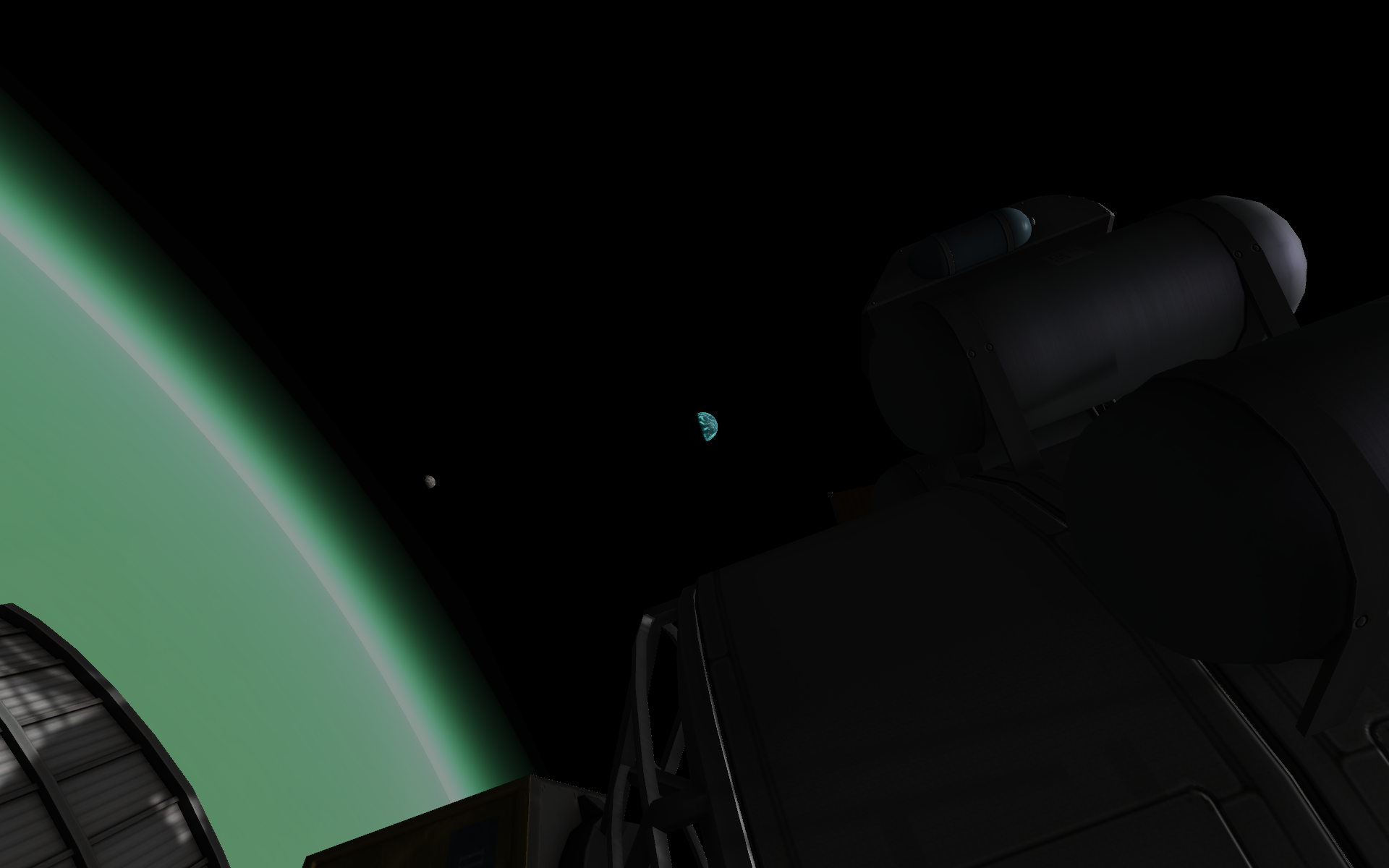
The first photographs of Laythe are transmitted back to Kerbin! The planet looks remarkably similair to Kerbin!
“Oh my – that looks just like Kerbin! Astonishing! In the distance you can see Tylo. Just amazing… I can’t wait to visit!”
-Orlas
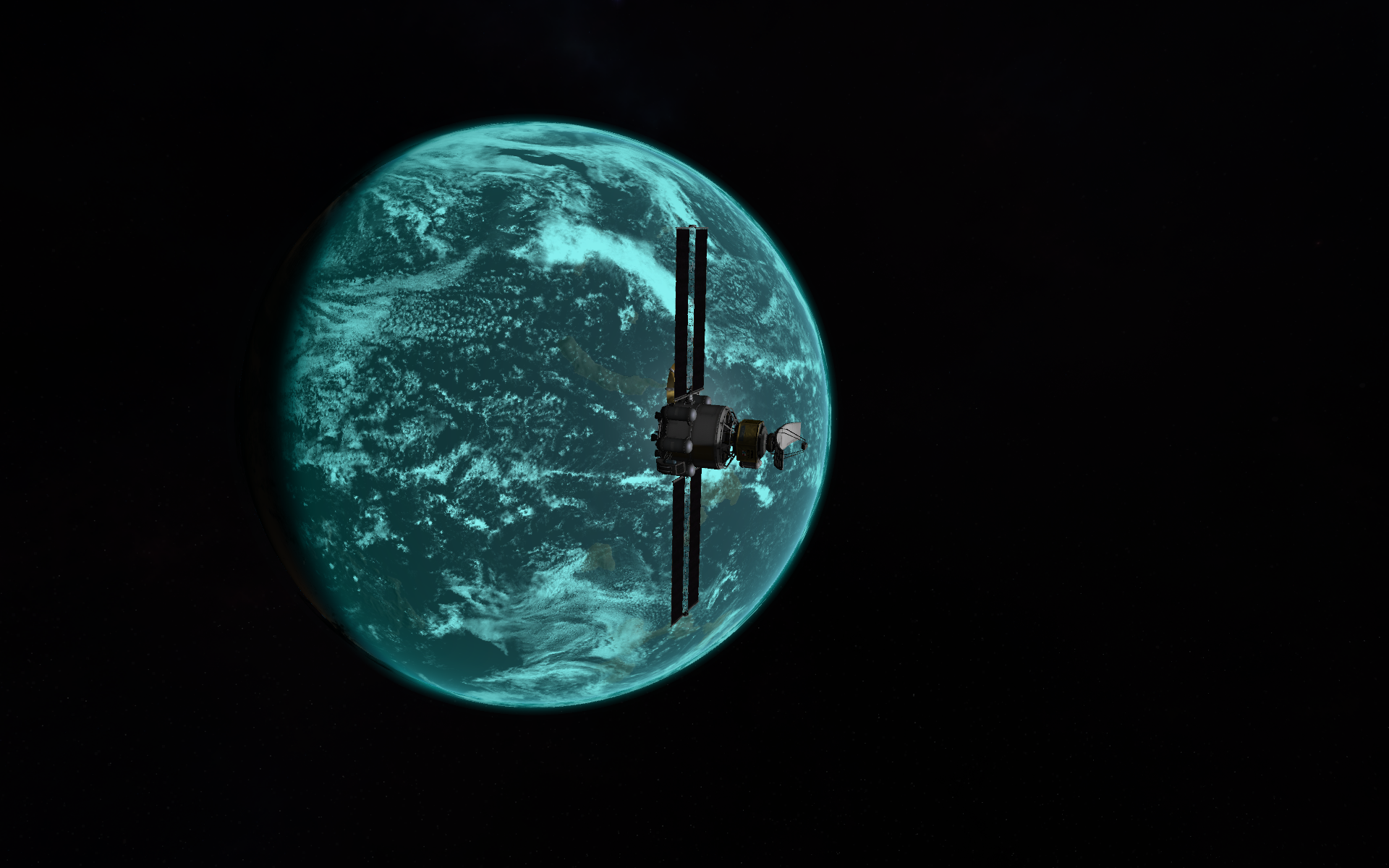
Frontier 5 moves in close and closer….
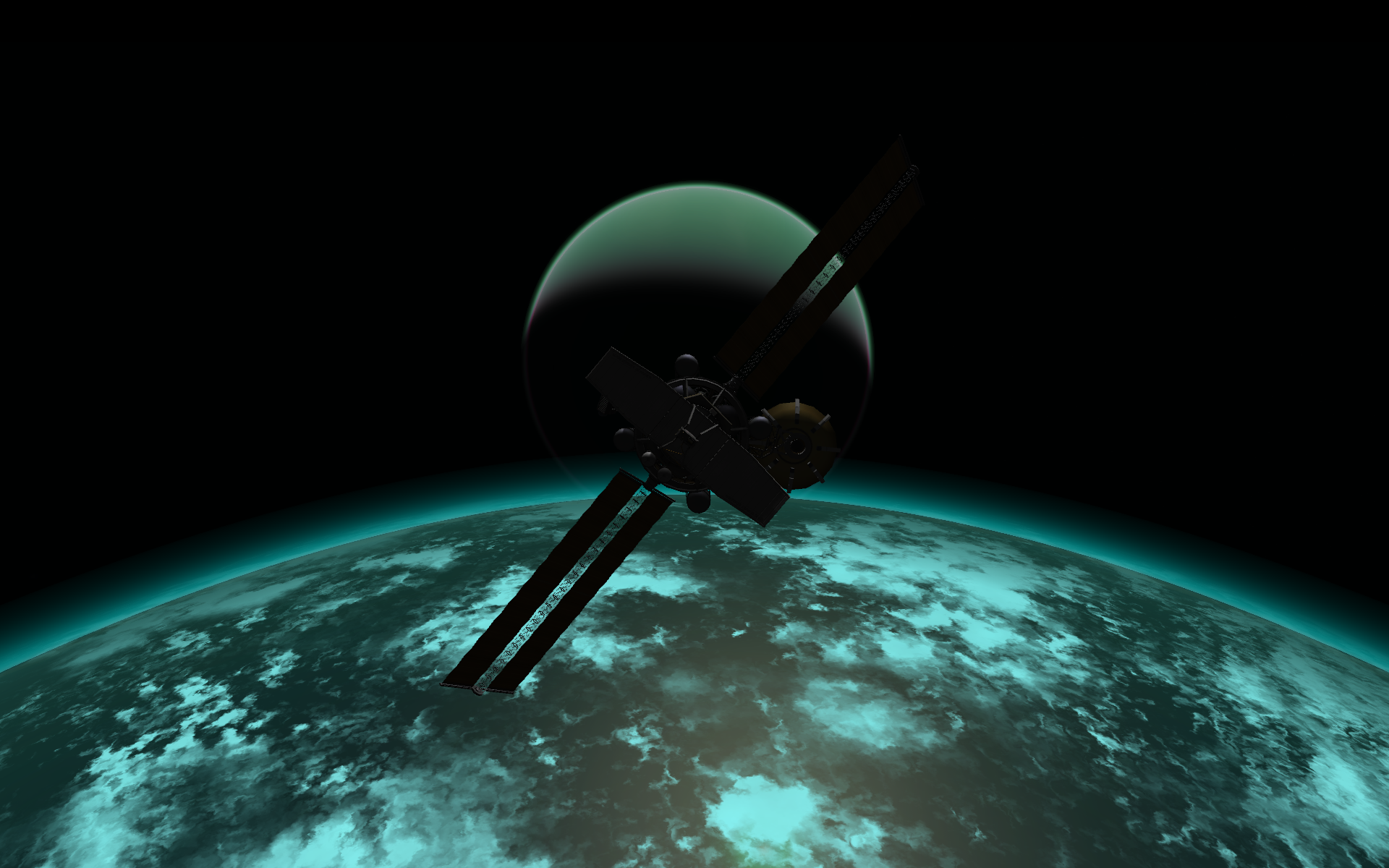
Until finally, the probe drops below 50km… but just barely! The science transmitted on Laythe’s atmosphere is of incredible scientific importance, and has made Laythe one of the most intriguing desitnations for Kerbals in the future!
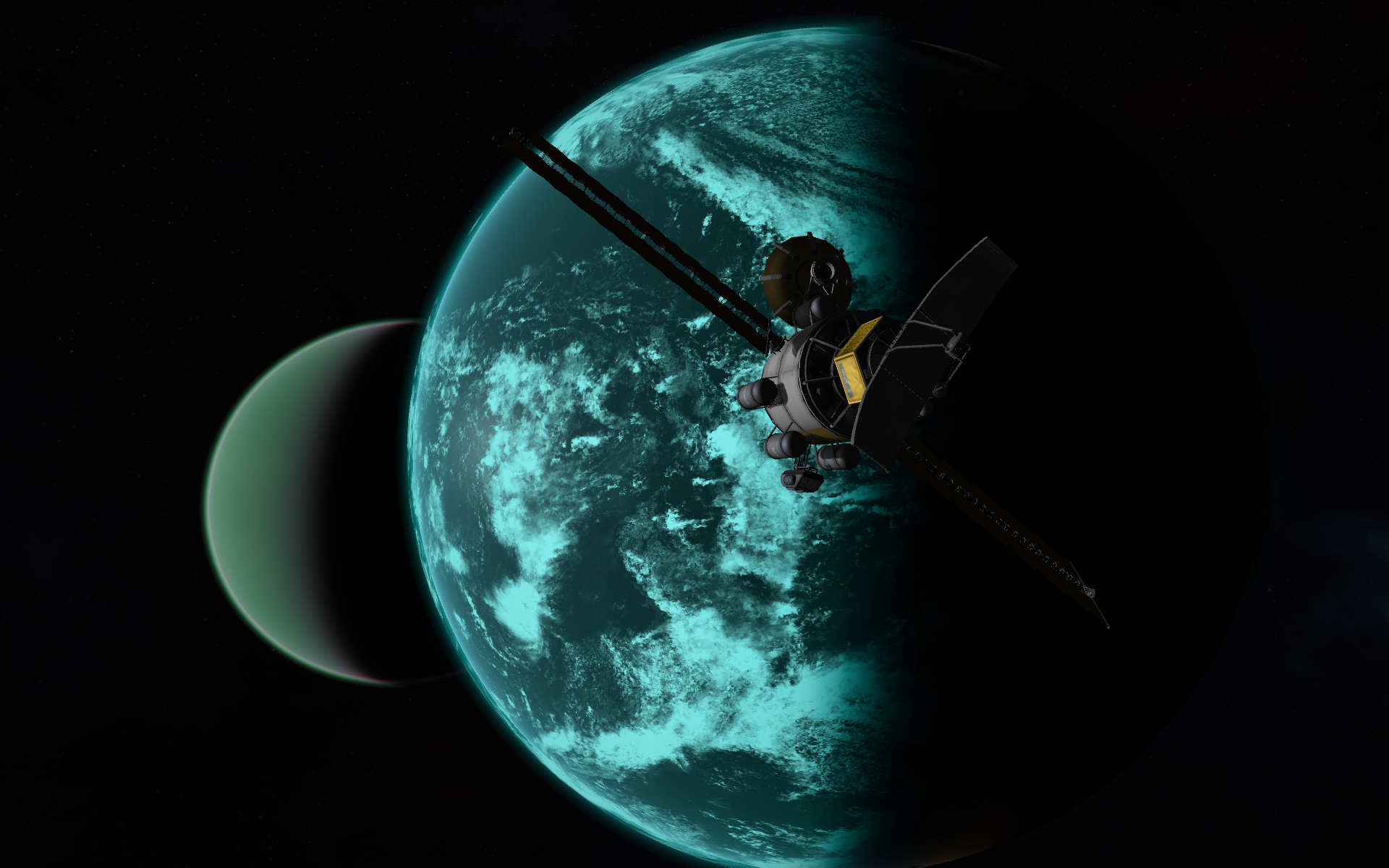
Finally, Frontier 5 moves on, leaving Jool and it’s amazing moon Laythe for future probes to investigate!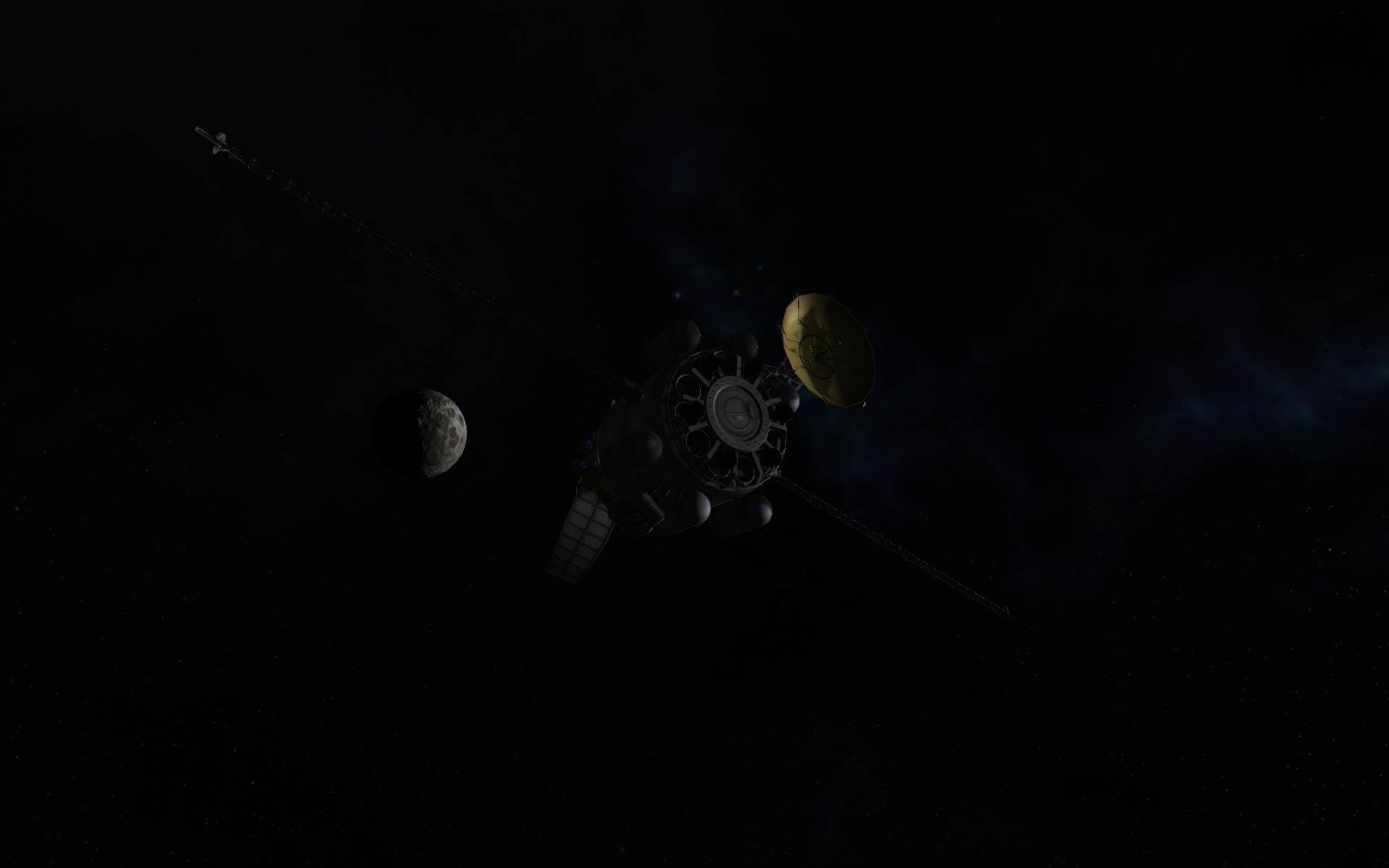
Frontier 5 soars past Tylo, its sensors only able to record some basic temperature and pressure readings in the space near the moon – researching Tylo is a job for a future explorer!
 Kerbal States | Kerbin Space Exploration Administration